A history of recovery
The Reformation did not
erupt from nowhere.
“If I have seen further it is by standing on the shoulders of giants.”
It was the harvest of a long recovery — of Scripture, of grace, of the gospel — carried across centuries by men and women who paid the price for what Wittenberg would later proclaim. This is a record of those shoulders.
Begin with the figures →The lineage
Every name a shoulder.
Read in chronological order, the lineage tells one story: the patient handing-down of recovered truth, century by century.
30—590
The Early Church
590—1300
The Medieval Era
1300—1517
The Pre-Reformation
1517—1648
The Reformation
1648—1800
The Post-Reformation
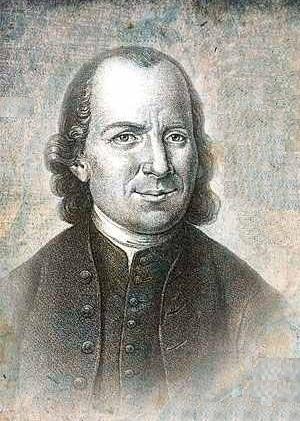
- Brother Lawrence 1605—1691
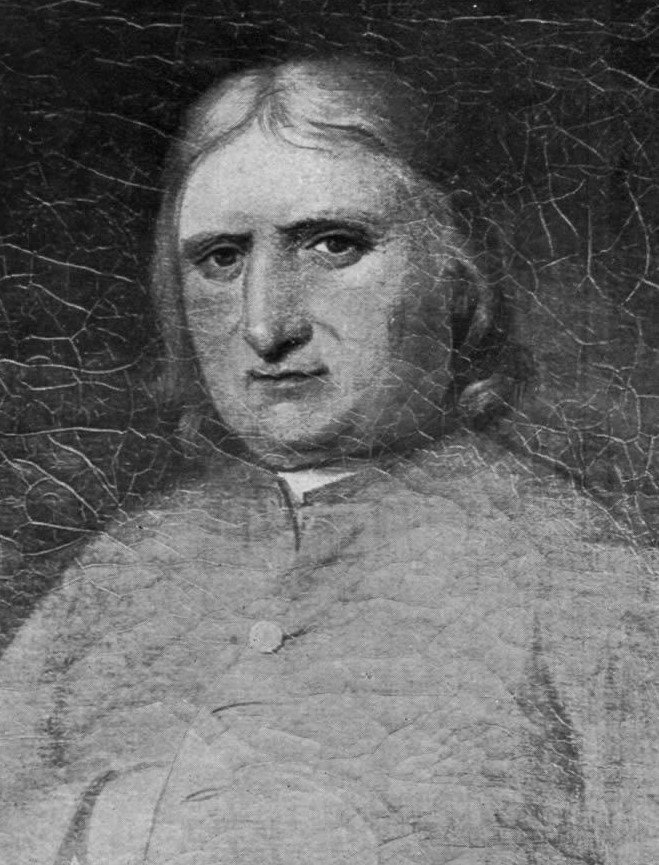
- George Fox 1624—1691
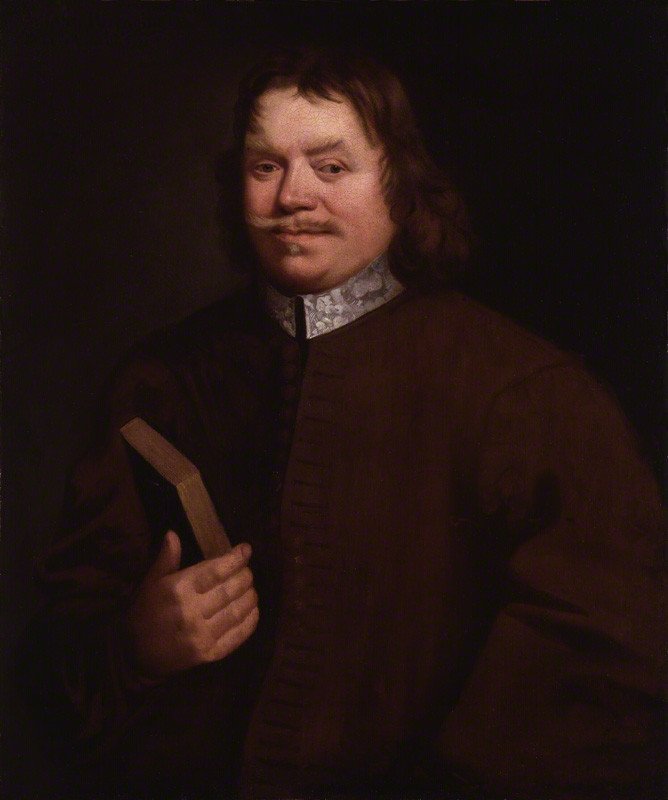
- John Bunyan 1628—1688
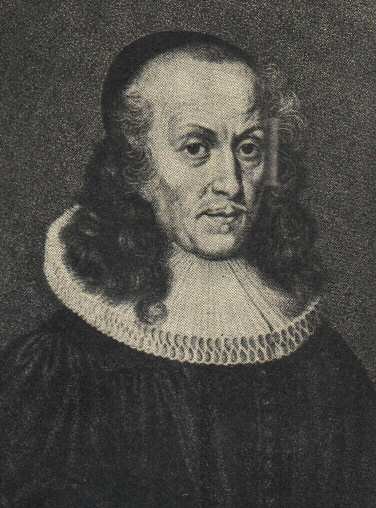
- Philip Jacob Spener 1635—1705
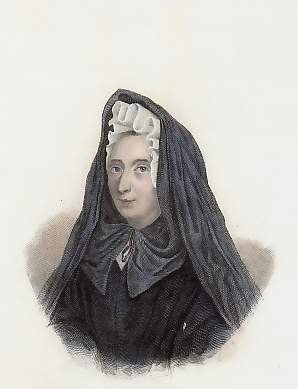
- Madame Guyon 1648—1717
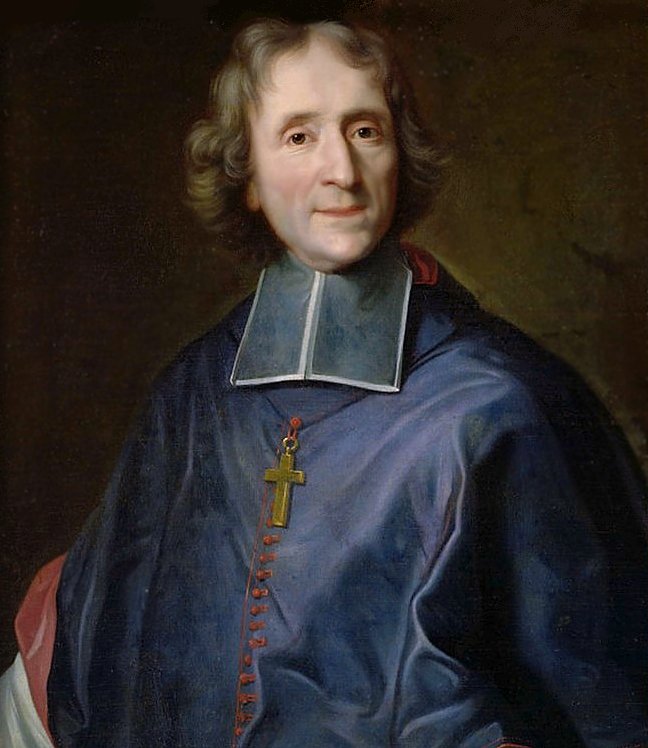
- François Fénelon 1651—1715
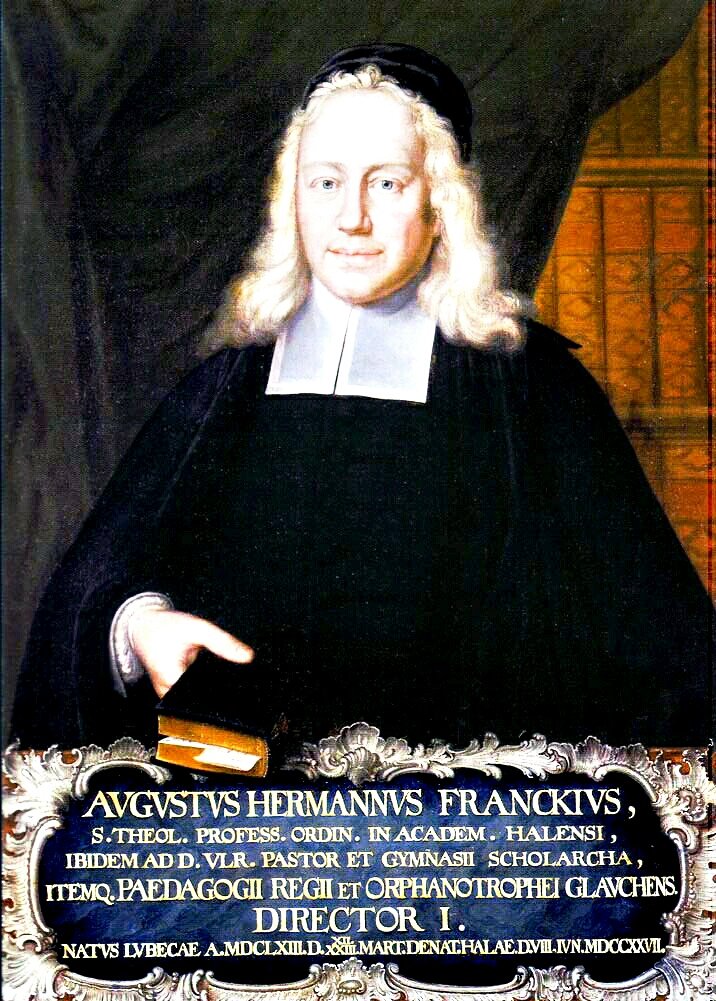
- August Hermann Francke 1663—1727
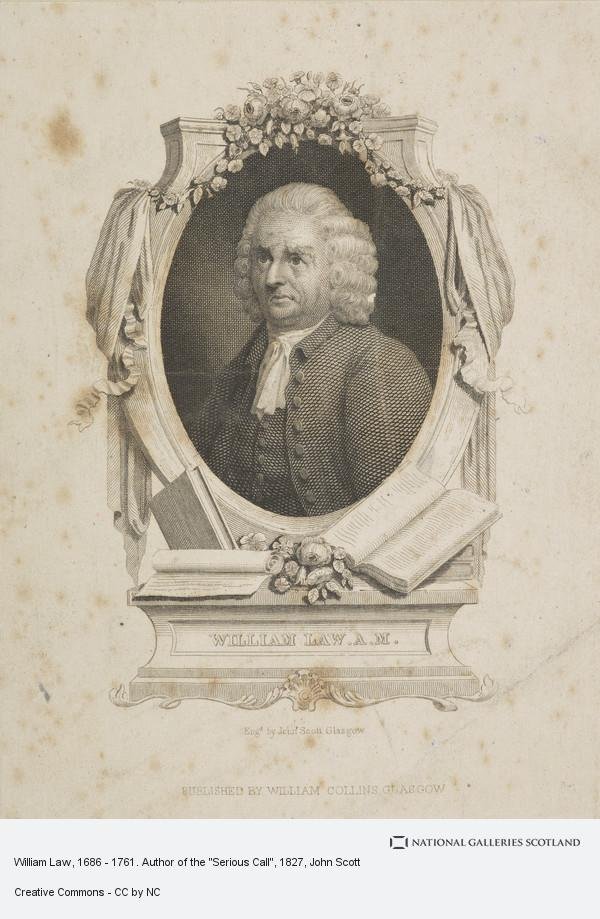
- William Law 1686—1761
- Christian David 1691—1751
- Nicolaus Ludwig von Zinzendorf 1700—1760
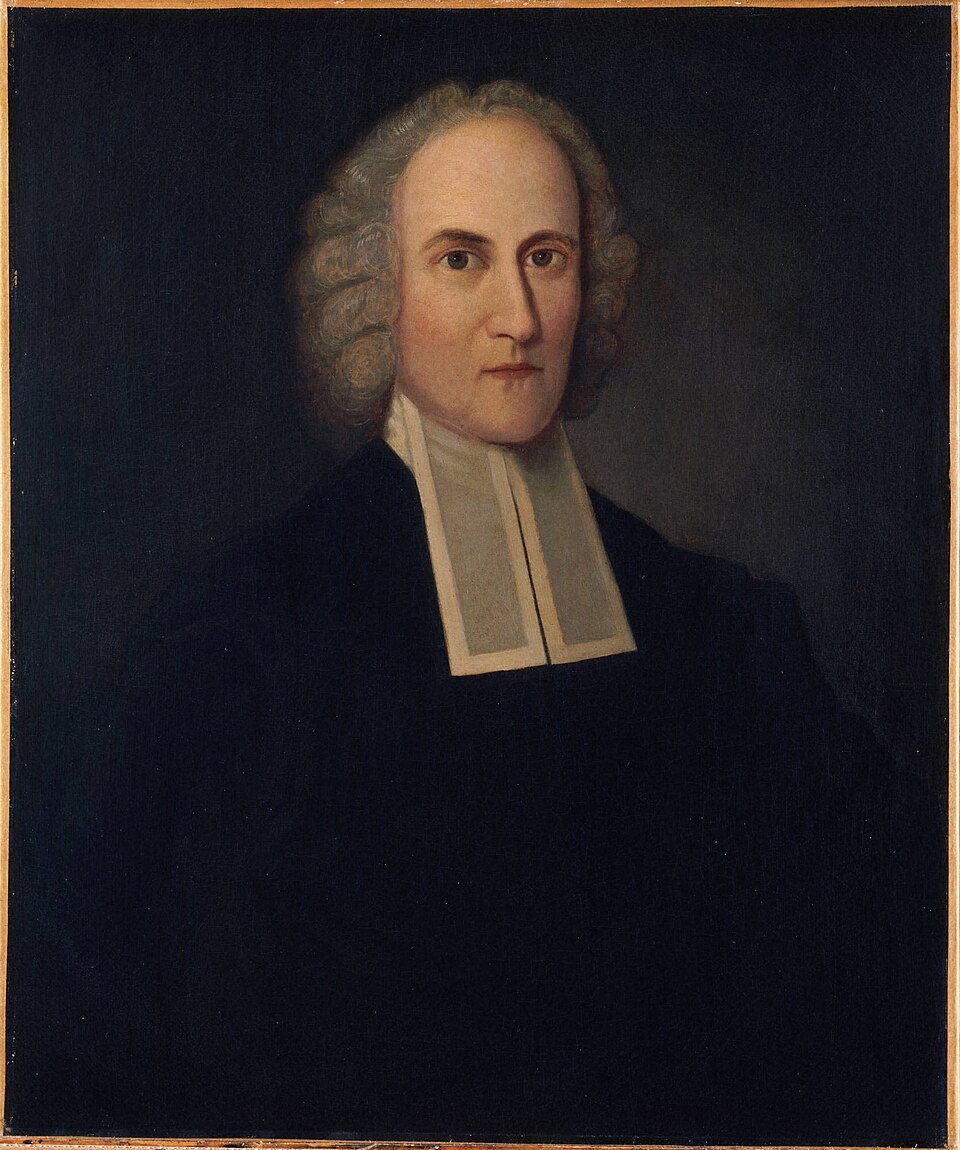
- Jonathan Edwards 1703—1758
- John Wesley 1703—1791
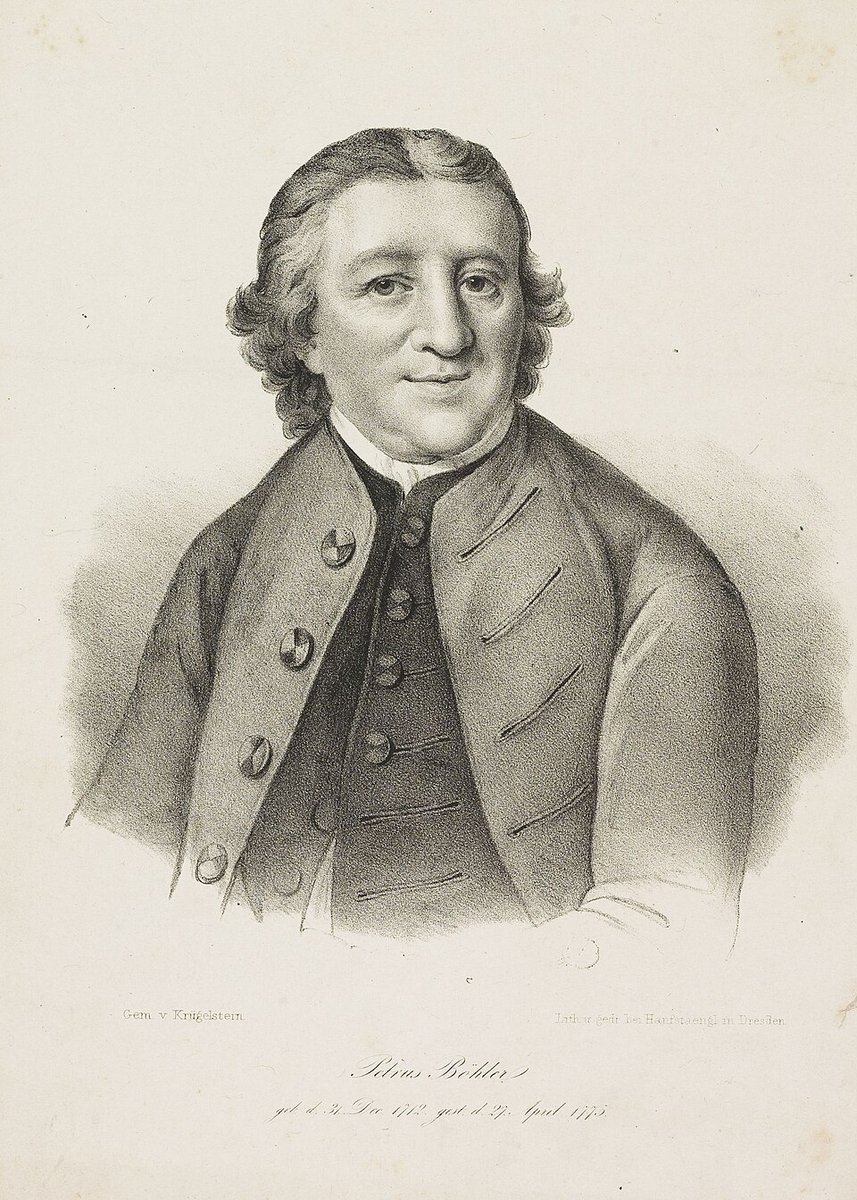
- Peter Böhler 1712—1775
- George Whitefield 1714—1770
1800—2000
The Modern Era
- Anthony Norris Groves 1795—1853
- John Nelson Darby 1800—1882
- George Müller 1805—1898
- Benjamin Wills Newton 1807—1899
- Robert Govett 1813—1901
- C. H. Mackintosh 1820—1896
- William Kelly 1821—1906
- Andrew Murray 1828—1917
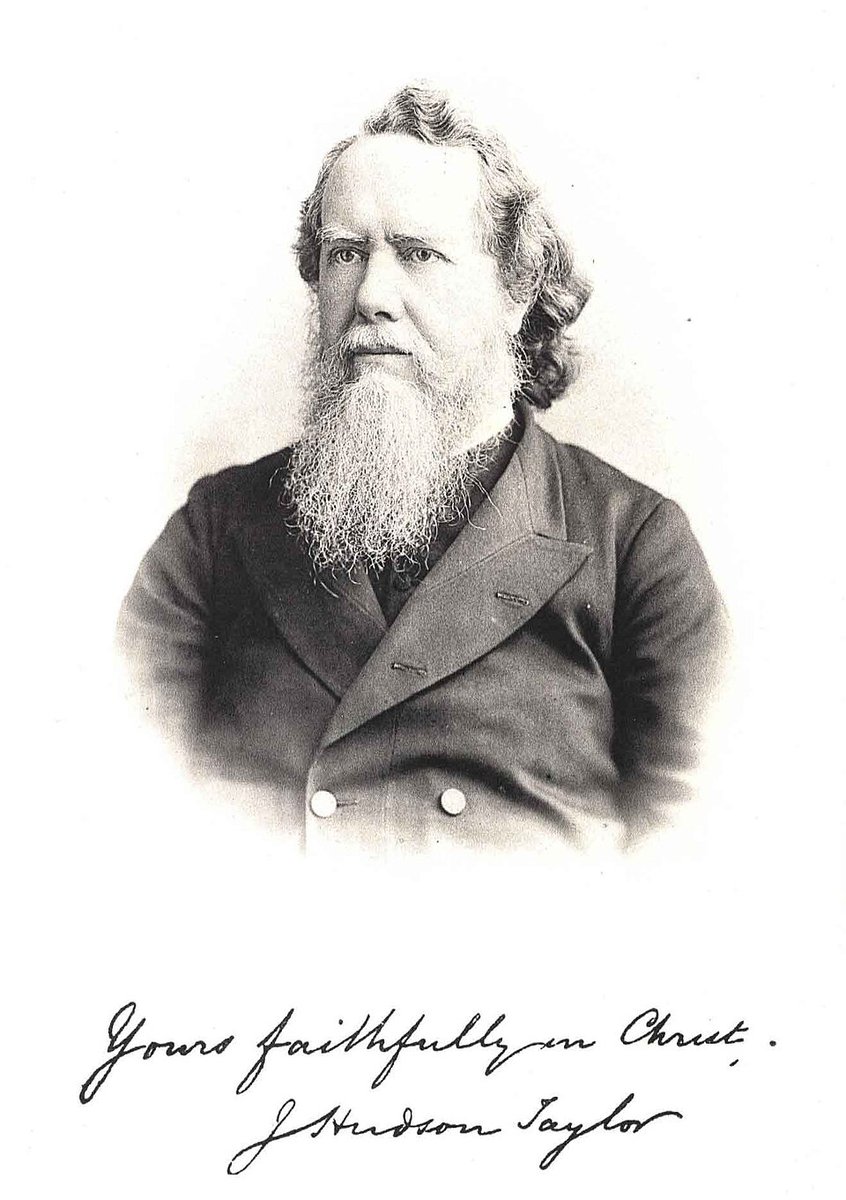
- J. Hudson Taylor 1832—1905
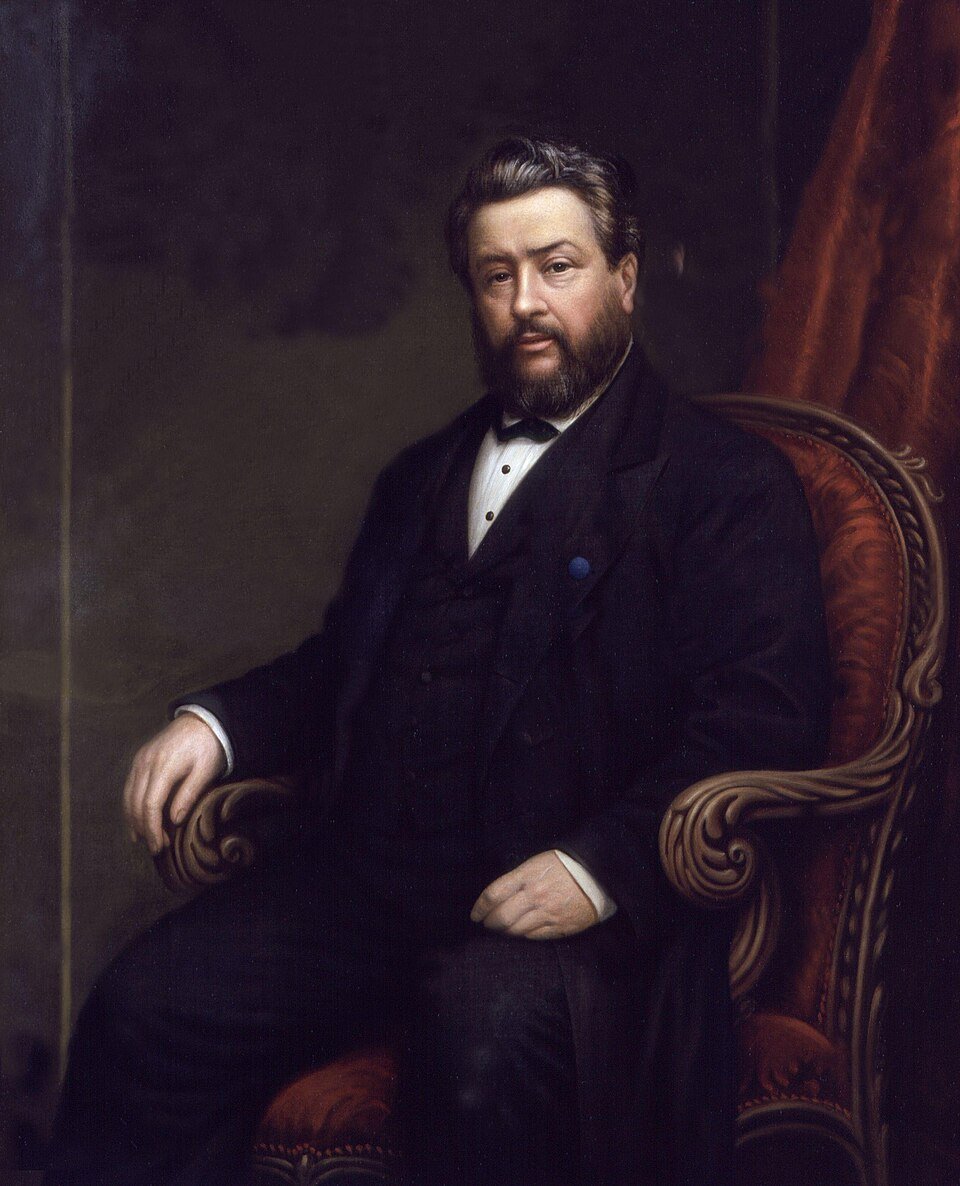
- C. H. Spurgeon 1834—1892
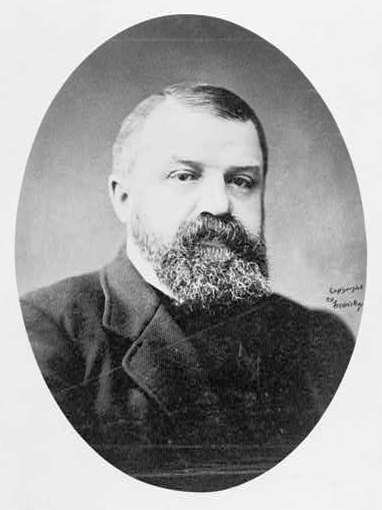
- D. L. Moody 1837—1899
- G. H. Pember 1837—1910
- A. B. Simpson 1843—1919
- Jessie Penn-Lewis 1861—1927
- M. E. Barber 1866—1930
- D. M. Panton 1870—1955
- G. H. Lang 1874—1958
- T. Austin-Sparks 1888—1971
- A. W. Tozer 1897—1963
- Watchman Nee 1903—1972
- Witness Lee 1905—1997